Lakeshore Buffer
Lakeshore Buffer Grants Available!
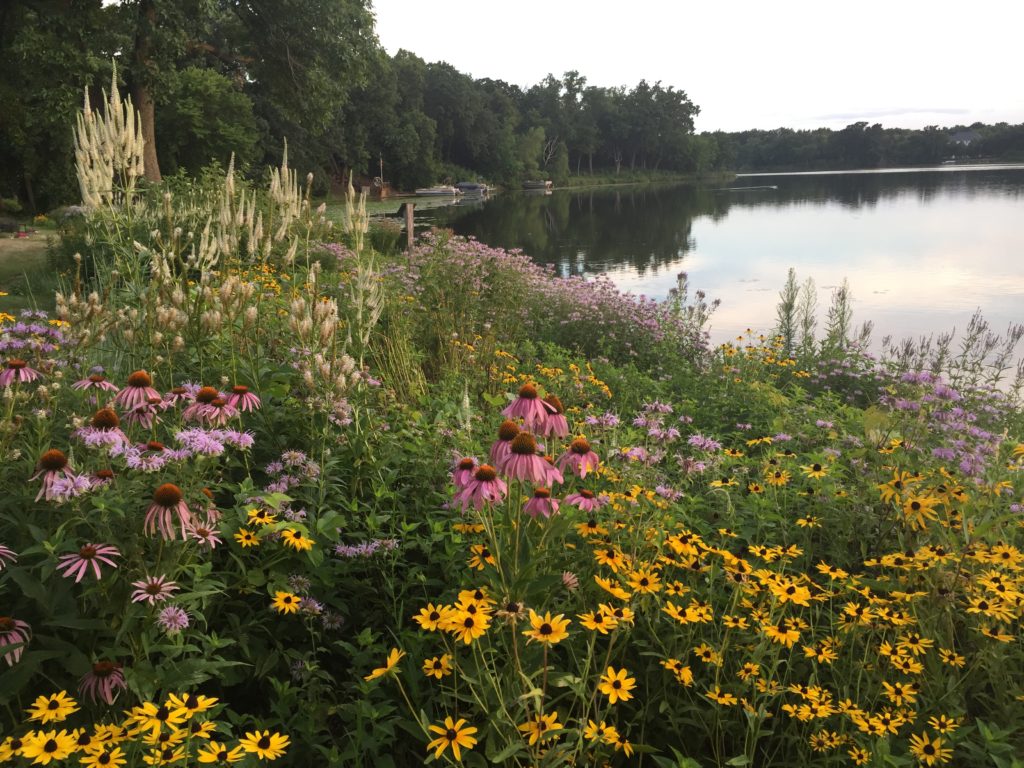
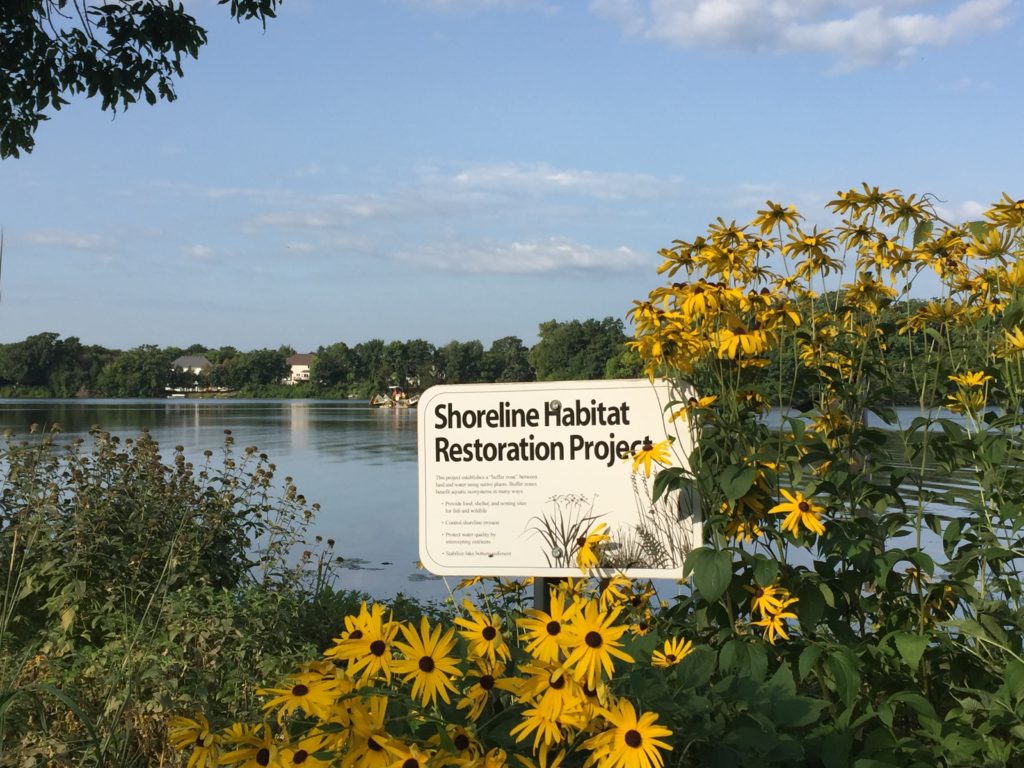
The Mitchell Lake Association (MLA), City of Eden Prairie, and the Riley Purgatory Bluff Creek Watershed District (RPBCWD) are partnering to provide financial incentives, technical guidance, and project planning support for lakeshore restoration projects of all sizes.
Do your part to protect and enhance the water quality of Mitchell Lake by installing a lakeshore buffer and joining the growing network of 15 successful shoreline restoration projects already completed around the lake.
Why Lakeshore Buffers Matters
Native shoreline plants filter runoff, trap sediment, and absorb excess nutrients before they reach the lake.
Deep-rooted vegetation helps stabilize soil, reduce erosion, and protect shorelines from wave action and runoff.
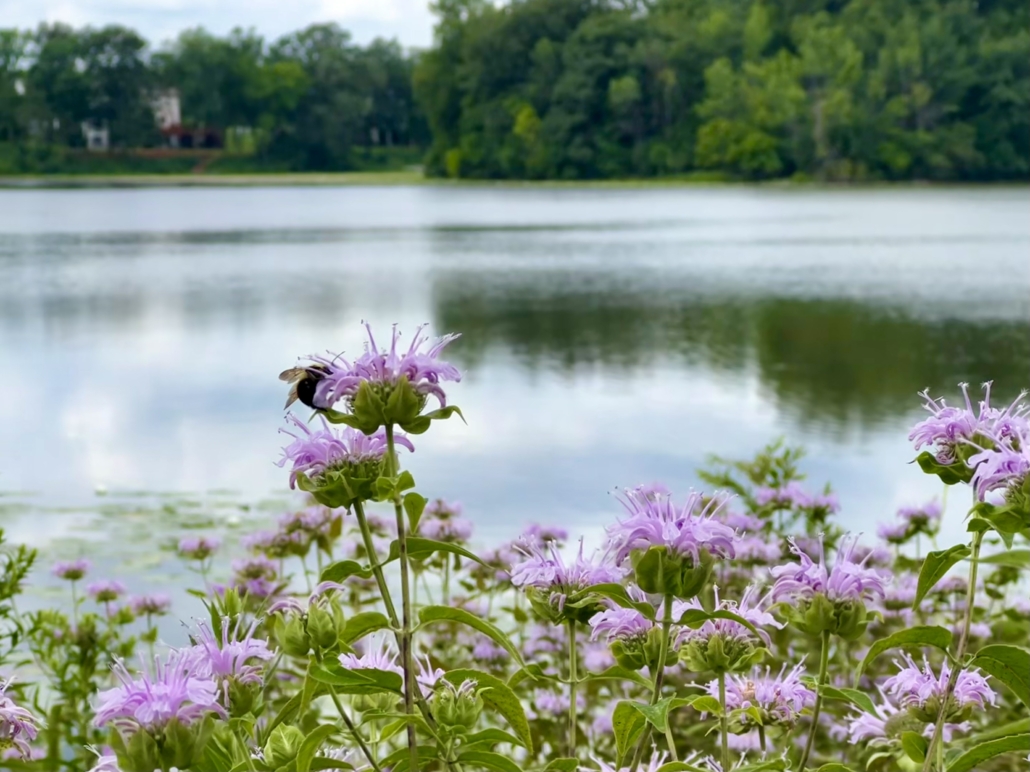
Restored shorelines support birds, fish, pollinators, and other wildlife while improving the overall lake ecosystem.
Funding Opportunities
In 2026, the Mitchell Lake Association (MLA) will increase its rebate for qualifying lakeshore buffers to $500. Paid members who complete an RPBCWD- or City of Eden Prairie-approved shoreline restoration or rain garden are eligible.
This limited-time rebate, funded by the Lake Pledge Program, is available on a first-come, first-served basis for the first 10 approved lakeshore buffer projects on Mitchell Lake.
To receive the rebate, submit the Mitchell Lake Landscape for Water Quality Rebate Form.
For more information, email mitchelllakeassociation@gmail.com.
| Source | Coverage | Max Grant Amt |
| RPBCWD Cost Share Program | 75% of Project Cost | up to $5,000 |
| City of Eden Prairie Landscaping for Water Quality Grants | 80% of Project Cost | up to $2,000 |
| MLA Rebate (Members only) | For watershed or city approved projects | $500 (for 2026) |
Did you know you can combine (“stack”) multiple grants for the same project? By leveraging city, watershed, and MLA funds, you can cover the vast majority of your restoration costs.
Why Use Native Plants for Your Restoration Project?
Native plants grew in this region long before modern development. Because they are naturally adapted to Minnesota’s soils, climate, and rainfall, they thrive with minimal maintenance once established. Native plantings typically require less irrigation, fertilizer, pesticides, and herbicides than traditional landscaping. They also reduce the need for mowing, which helps improve air quality and overall environmental health.